


Businesses today depend on technology for almost every aspect of their operations. Applications, cloud platforms, servers, networks, endpoints, and digital services help organisations serve customers and keep business processes running.
But every digital asset can introduce potential security risks.
A vulnerable application, an outdated system, a misconfigured device, or an unknown asset can create an opportunity for cyber threats. As IT environments become more connected, understanding these risks becomes just as important as protecting the systems themselves.
This is where cyber risk management comes in.
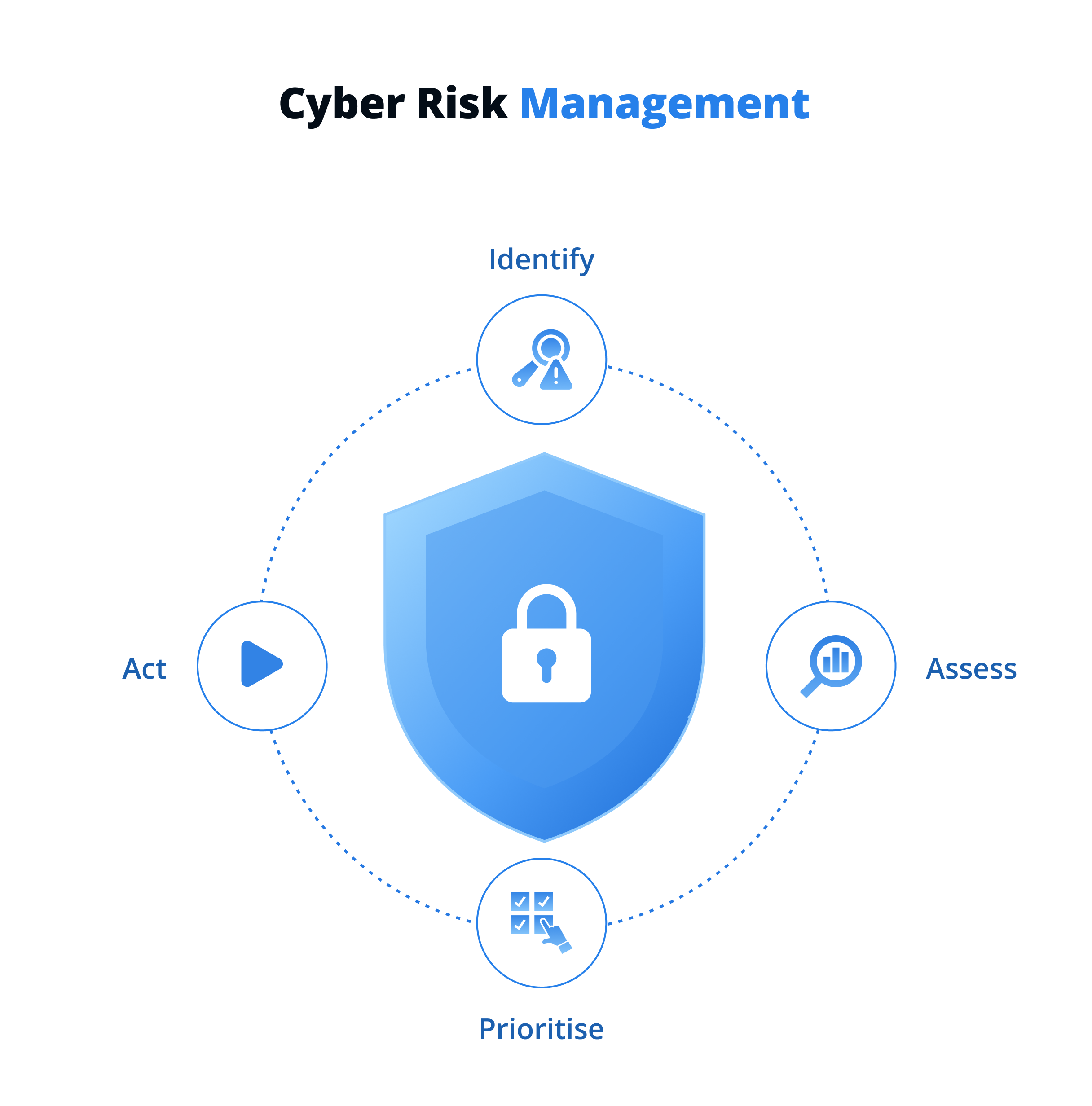
Cyber risk management provides a structured approach to identifying security risks, understanding their potential impact, prioritising them, and taking appropriate action.
Instead of waiting for a security incident to reveal weaknesses, organisations can continuously assess their environment and address risks proactively.
In this blog, we'll explain what cyber risk management is, how it works, why it matters, and how Threat Console can help organisations build a stronger, more informed security posture.
Cyber risk management
Cyber risk management is the process of identifying, assessing, prioritising, and addressing cybersecurity risks that could affect an organisation's systems, data, applications, and business operations.
It connects cybersecurity with business risk.
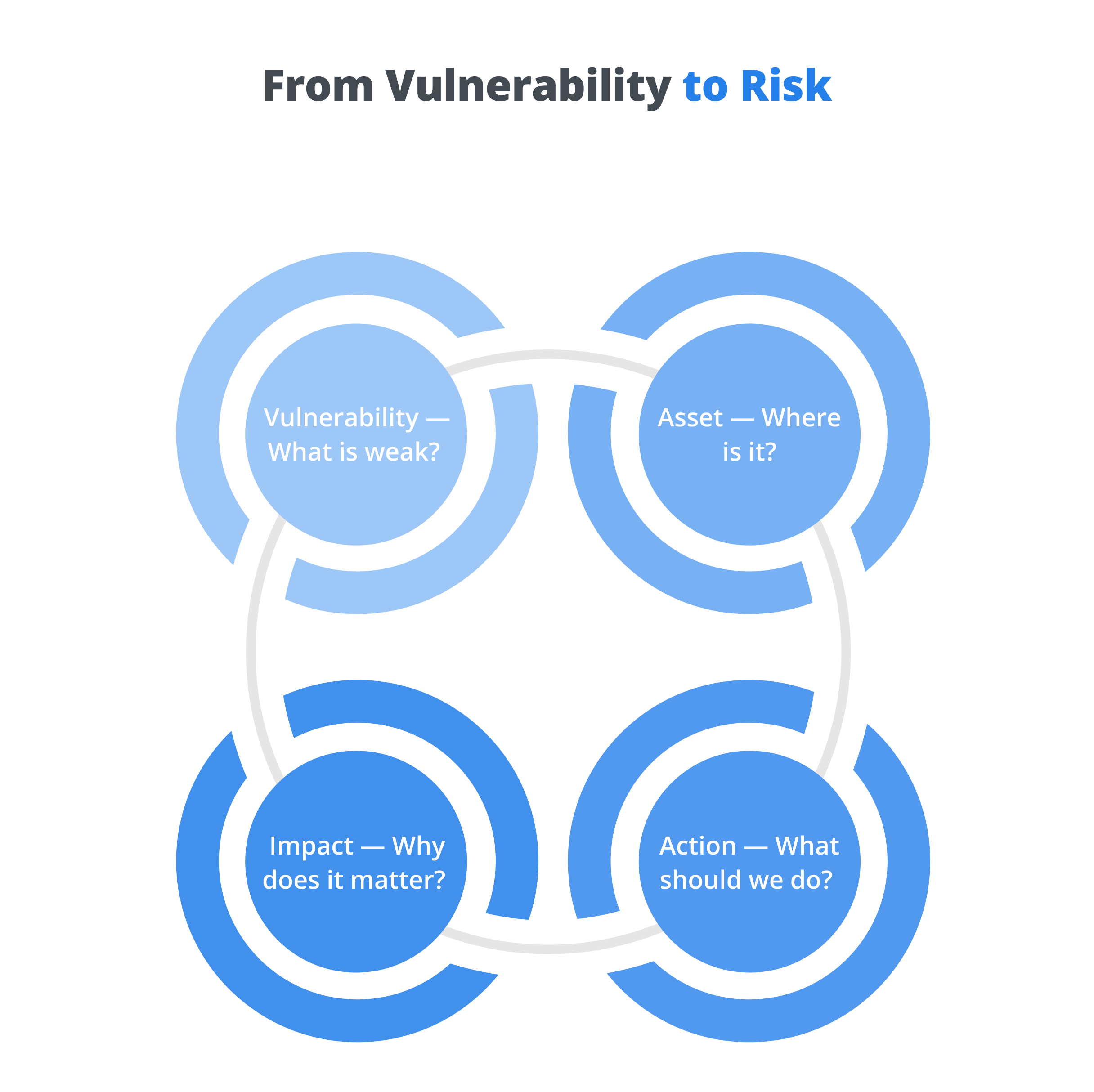
Rather than treating every vulnerability as equally important, cyber risk management helps organisations understand:
- What assets they have
- Which assets are exposed
- What vulnerabilities exist
- Which risks matter most
- What action should be taken
The goal is not simply to eliminate every possible risk. Instead, it is about understanding and managing risks in a structured and practical way.
Why is cyber risk management important?
Cybersecurity teams often deal with a large amount of information, from vulnerabilities and security alerts to asset data and configuration issues.
Without a structured approach, it can be difficult to determine where attention is needed first.
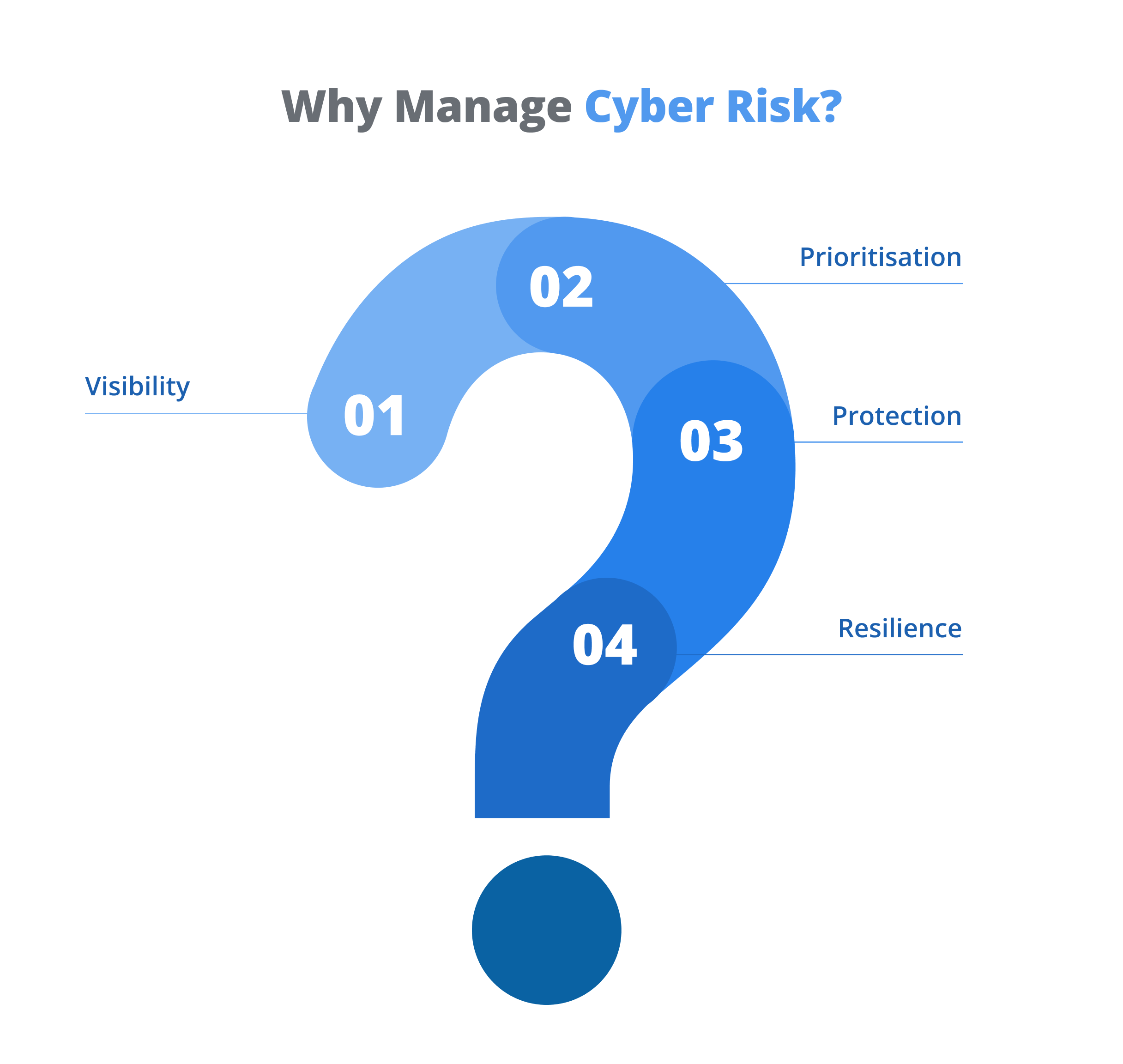
Cyber risk management helps organisations move from reactive security to proactive risk management.
It enables businesses to:
- Identify security weaknesses
- Understand potential business impact
- Prioritise critical risks
- Improve remediation efforts
- Strengthen security posture
- Support informed security decisions
How does cyber risk management work?
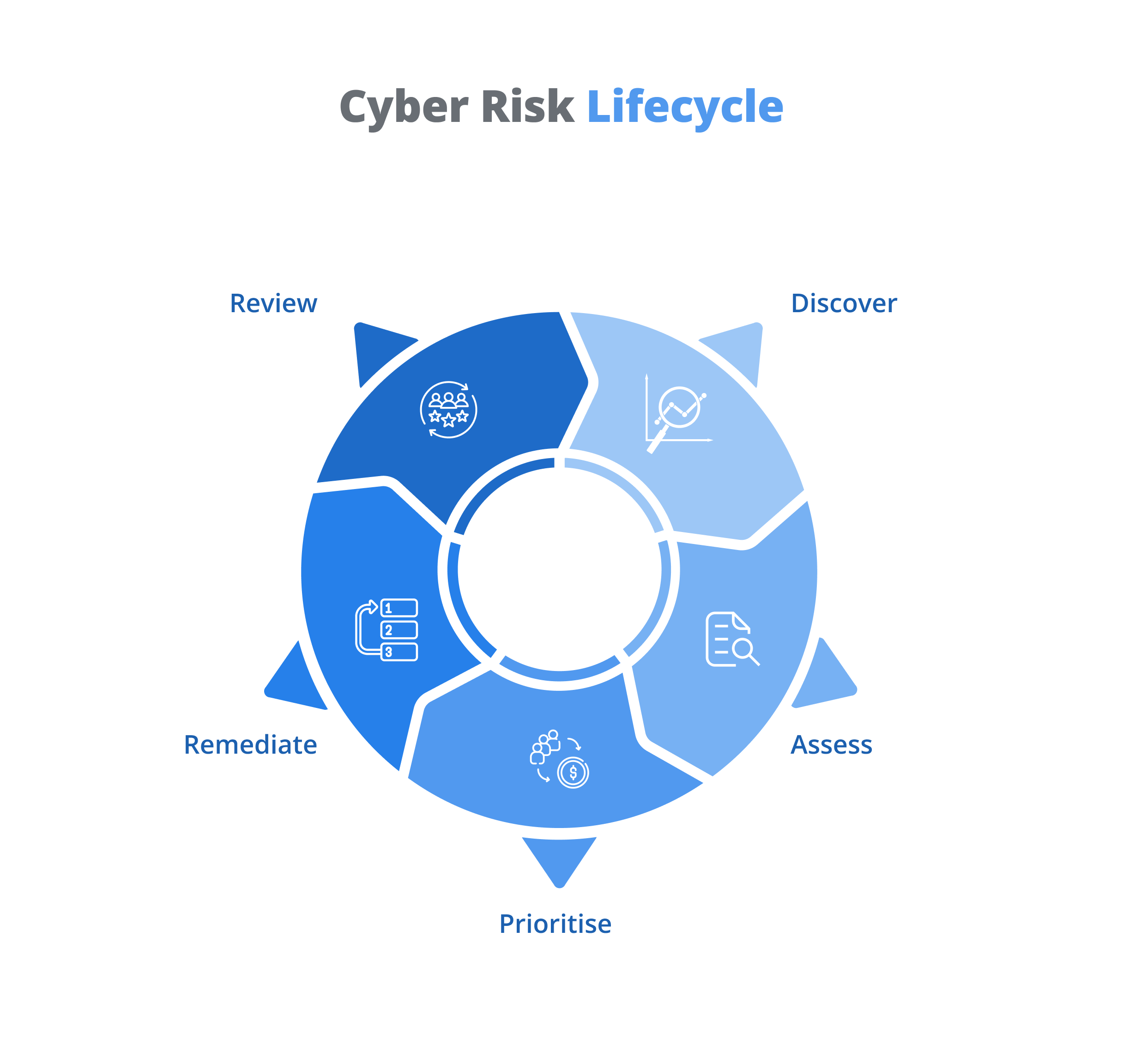
Cyber risk management is an ongoing process rather than a one-time security assessment.
A practical approach typically involves the following steps.
Identify assets
Start by understanding what exists across the IT environment. This can include:
- Servers
- Endpoints
- Applications
- Cloud resources
- Databases
- Network devices
You cannot properly assess cyber risk without knowing what needs to be protected.
Identify vulnerabilities
Once assets are known, organisations can identify weaknesses associated with those assets. These may include:
- Outdated software
- Missing security updates
- Misconfigurations
- Application vulnerabilities
- Exposed services
Assess risk
Not every vulnerability represents the same level of risk. Organisations should consider factors such as asset importance, vulnerability severity, exposure, and potential business impact.
Prioritise risks
Security teams need to focus their resources where they can make the greatest difference. Risk prioritisation helps identify which issues require immediate attention and which can be addressed through planned remediation.
Remediate risks
Once priorities are established, teams can take appropriate action. This may involve:
- Applying security updates
- Correcting configurations
- Restricting access
- Removing unnecessary services
- Replacing vulnerable components
Verify and review
Cyber risk changes as the IT environment changes. New assets, applications, vulnerabilities, and threats can appear at any time.
Continuous review helps organisations maintain an up-to-date understanding of their security posture.
What are the key components of cyber risk management?
Effective cyber risk management brings several security activities together.
| Component | Purpose |
|---|---|
| Asset Discovery | Identifies systems and digital assets |
| Vulnerability Management | Finds security weaknesses |
| Risk Assessment | Evaluates potential impact |
| Risk Prioritisation | Identifies which risks need attention first |
| Remediation | Helps address identified weaknesses |
| Security Monitoring | Provides ongoing security visibility |
| Reporting | Communicates risk and remediation status |
| Compliance | Supports security governance and requirements |
Together, these components create a more complete view of enterprise cyber risk.
Common cyber risk management challenges
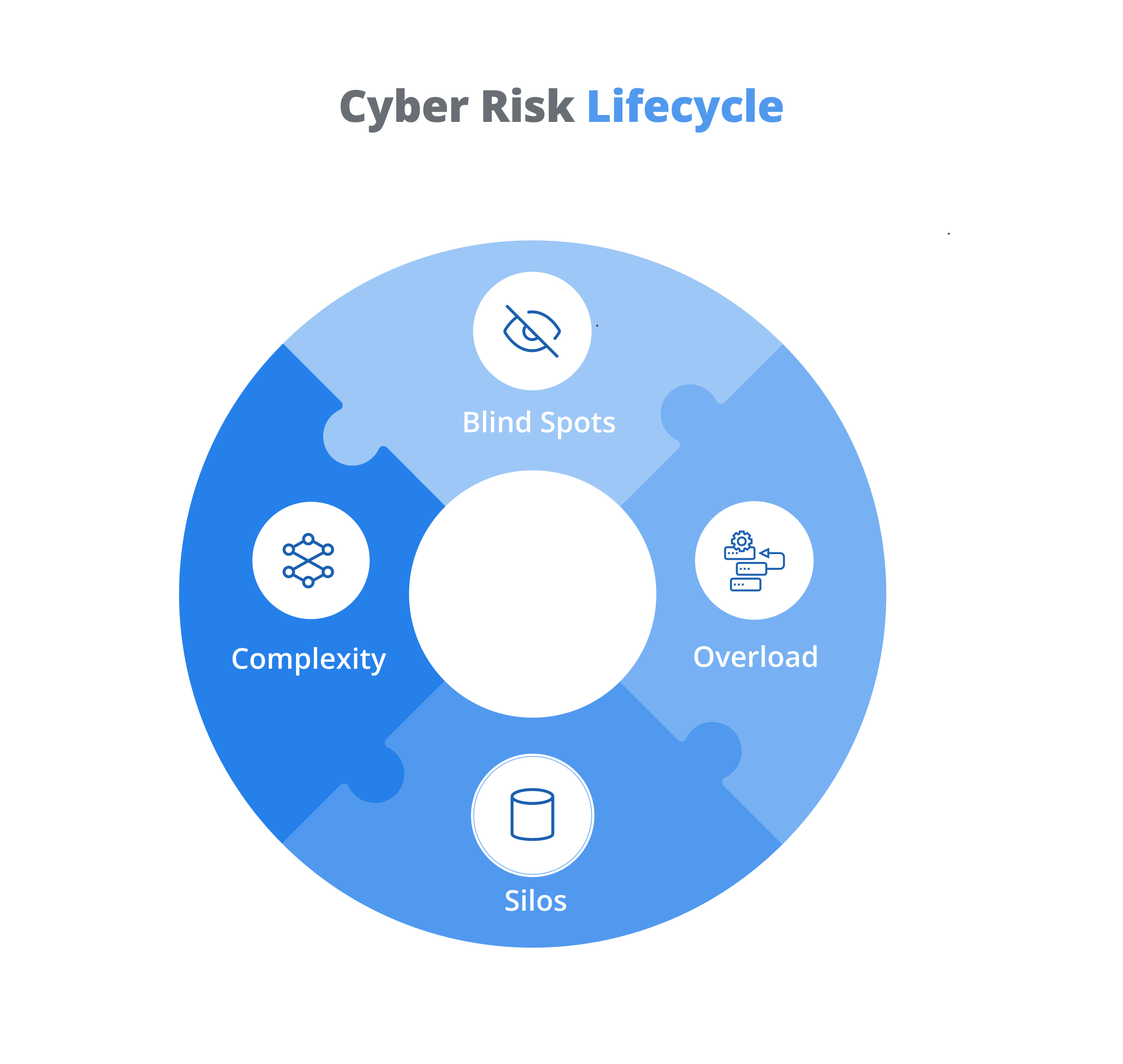
Even organisations with established security tools can face challenges when managing cyber risk.
Incomplete asset visibility
Unknown or unmanaged assets can create security blind spots.
Solution: Maintain a centralised and continuously updated asset inventory.
Too many vulnerabilities
Security teams may discover more vulnerabilities than they can address immediately.
Solution: Prioritise vulnerabilities based on risk, asset importance, and business impact.
Disconnected security tools
Security information may be spread across multiple platforms.
Solution: Bring relevant security and asset information together through a unified platform.
Manual risk assessment
Reviewing large amounts of security information manually can slow decision-making.
Solution: Use automation and analytics to support risk assessment and prioritisation.
Limited business context
A technical vulnerability does not always indicate the same level of business risk.
Solution: Connect vulnerability information with asset criticality and business context.
Changing IT environments
Cloud resources, applications, devices, and configurations can change frequently.
Solution: Use continuous discovery and ongoing security assessment.
Cyber risk management vs traditional security approach
| Traditional Security Approach | Cyber Risk Management |
|---|---|
| Focuses on individual security issues | Looks at overall cyber risk |
| Reactive issue management | Proactive risk management |
| Treats vulnerabilities separately | Connects vulnerabilities with assets |
| Manual prioritisation | Risk-based prioritisation |
| Multiple security views | Unified risk visibility |
| Focuses mainly on technical severity | Considers business context |
| Periodic assessment | Continuous assessment |
The key difference is perspective.
Traditional security processes may focus on individual technical issues, whereas cyber risk management considers how those issues could affect the organisation as a whole.
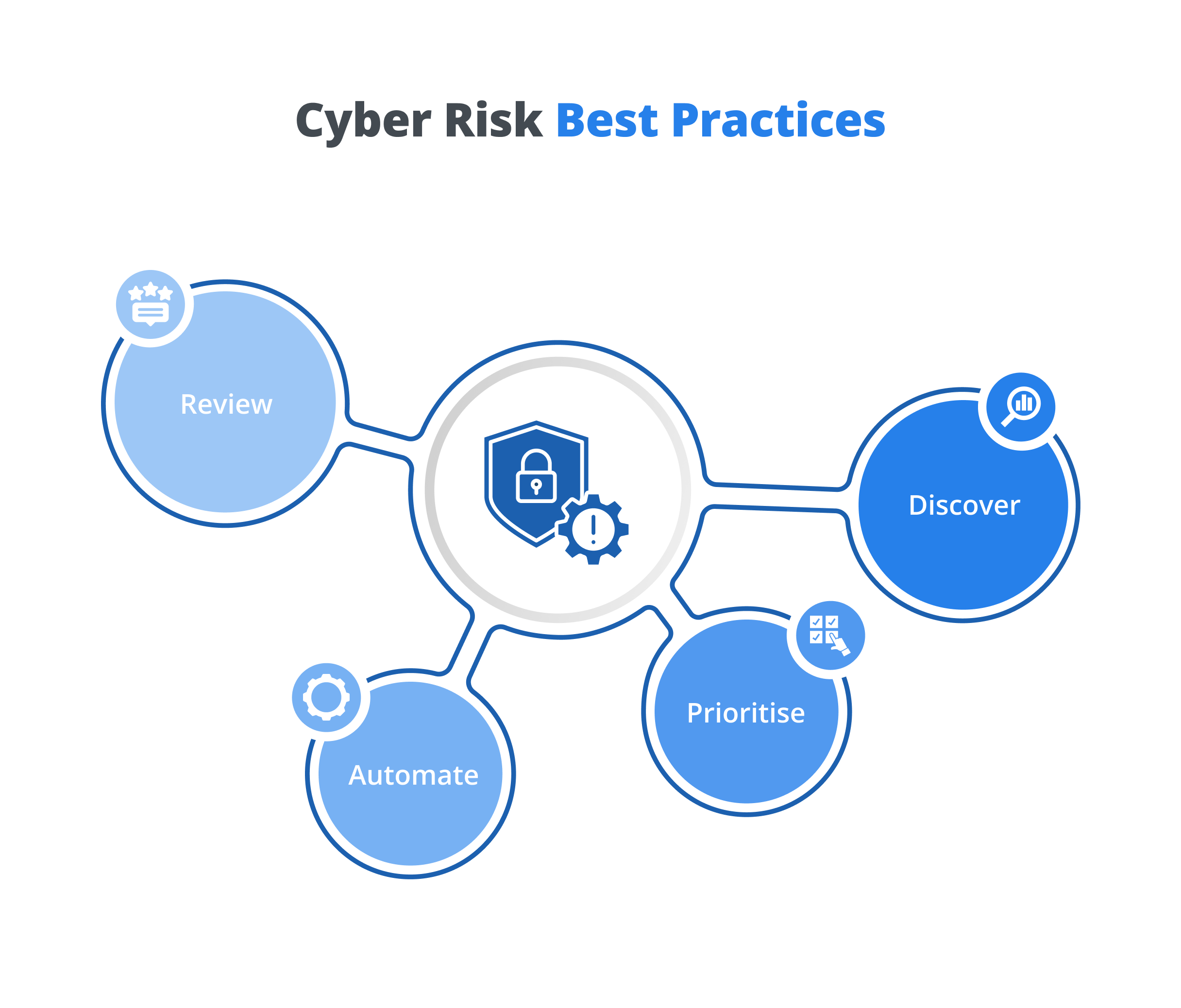
Best practices for effective cyber risk management
Organisations can strengthen their cyber risk strategy by following a few practical principles.
Know your assets
Maintain visibility across your entire IT environment.
Prioritise based on risk
Don't treat every vulnerability equally. Consider severity, exposure, asset importance, and potential impact.
Automate where possible
Automate repetitive discovery, assessment, prioritisation, and reporting activities.
Connect security information
Bring asset, vulnerability, and risk information together to create better context.
Keep risk information current
Regularly review changes in your environment and security posture.
Make risk visible
Use dashboards and reports to help security and business teams understand current risks.
How cyber risk management supports business resilience
Cybersecurity isn't only an IT concern.
A security issue can affect business applications, customer services, employee productivity, data, and operational continuity.
Effective cyber risk management helps organisations prepare for these possibilities by identifying weaknesses before they become larger problems.
It supports:
- Business continuity
- Data protection
- Operational resilience
- Customer trust
- Security governance
- Informed decision-making
The result is a security strategy that is better aligned with business priorities.
Why choose Threat Console for cyber risk management?
Managing cyber risk requires more than identifying vulnerabilities. Organisations need to understand where risks exist, which assets are affected, and what should be addressed first.
Threat Console by CATS4U is a vulnerability and cyber risk management platform that provides organisations with centralised visibility into assets, vulnerabilities, and security risks.
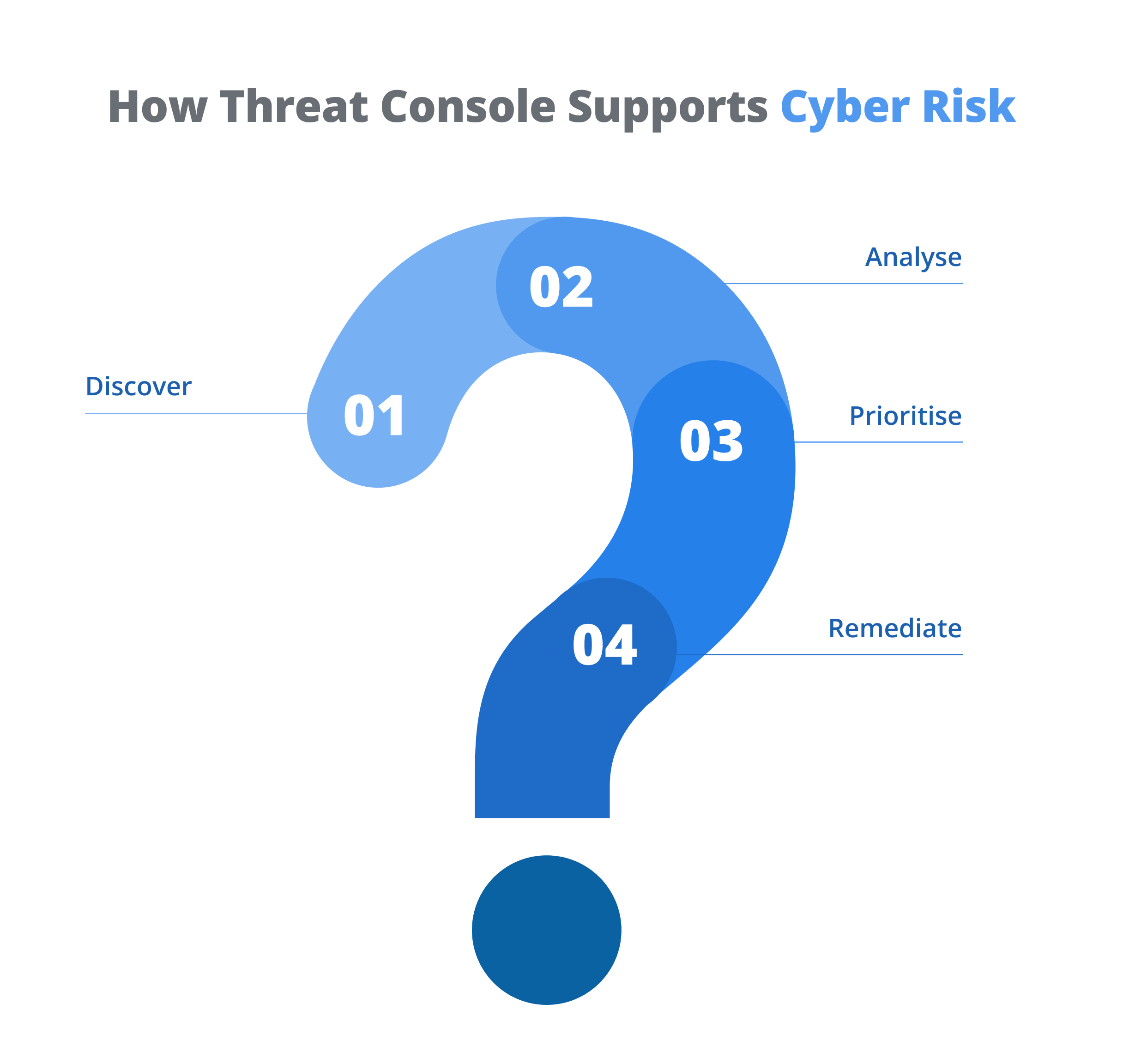
Threat Console brings together asset discovery, vulnerability intelligence, risk prioritisation, and remediation workflows to help security teams make informed decisions.
It can be deployed as a standalone platform or used as a specialised security use case within the iSense ecosystem, giving organisations flexibility in how they adopt the solution.
Key capabilities of Threat Console:
- Asset discovery
- Centralised asset inventory
- Vulnerability identification
- Risk prioritisation
- Security dashboards
- Remediation management
- Risk analytics
- Threat intelligence integration
- Compliance reporting
- Workflow automation
By connecting assets with vulnerabilities and risk information, Threat Console helps organisations move from simply finding security issues to understanding and managing cyber risk.
From vulnerability management to cyber risk management
Vulnerability management and cyber risk management are closely connected, but they are not the same.
Vulnerability management focuses primarily on finding and addressing security weaknesses.
Cyber risk management goes a step further by considering the broader context around those weaknesses.
For example, two systems may have similar vulnerabilities, but one may support a critical business application while the other may have limited business importance.
Cyber risk management helps security teams understand this difference and prioritise accordingly.
Conclusion
Cyber risk management is about understanding the bigger picture of enterprise security.
Businesses need to know what assets they have, where vulnerabilities exist, which risks matter most, and what actions should be taken to reduce exposure.
A proactive cyber risk management approach helps organisations move beyond reacting to individual security issues and towards continuously improving their overall security posture.
With Threat Console, organisations can bring asset visibility, vulnerability management, risk prioritisation, and remediation into one unified platform. Whether used independently or as a specialised security use case of iSense, Threat Console helps security teams gain clearer visibility and make more informed decisions about cyber risk.
In a constantly changing digital environment, knowing your risks isn't just good security practice. It is an important part of building a resilient business.
Frequently asked questions
Cyber risk management is the process of identifying, assessing, prioritising, and addressing cybersecurity risks that could affect an organisation's assets, data, systems, and business operations.
Vulnerability management focuses on identifying and addressing security weaknesses. Cyber risk management takes a broader approach by considering vulnerabilities alongside asset importance, exposure, potential impact, and business context.
The process generally includes:
- Asset discovery
- Vulnerability identification
- Risk assessment
- Risk prioritisation
- Remediation
- Continuous review
Organisations cannot effectively assess or protect assets they don't know exist. Asset visibility provides the foundation for identifying vulnerabilities and understanding where cyber risks exist.
Businesses can prioritise risks by considering factors such as vulnerability severity, asset criticality, exposure, business impact, and the potential consequences of exploitation.
Threat Console provides asset discovery, vulnerability identification, risk prioritisation, security dashboards, remediation management, analytics, and reporting through a unified platform. It can operate independently or as a specialised security use case within iSense.
