


Every business depends on software to manage operations, improve customer experiences, and support growth. Whether it's automating approvals, managing workflows, building customer portals, or digitising internal processes, software has become an essential part of modern business.
However, building software isn't always simple. Traditional software development often requires specialised programming skills, longer development cycles, and significant investment. As business needs evolve more rapidly, organisations are looking for faster and more flexible ways to deliver applications.
This is where low-code development is changing the way businesses build software.
Low-code platforms allow organisations to design applications, automate workflows, and streamline business processes using visual interfaces with minimal coding. They enable faster innovation while reducing development complexity.
In this blog, we'll compare low-code and traditional software development, explore their advantages, and help you determine which approach is best suited for your business. We'll also look at how iProcess enables organisations to build intelligent business applications using a powerful low-code platform.
What is low-code development?
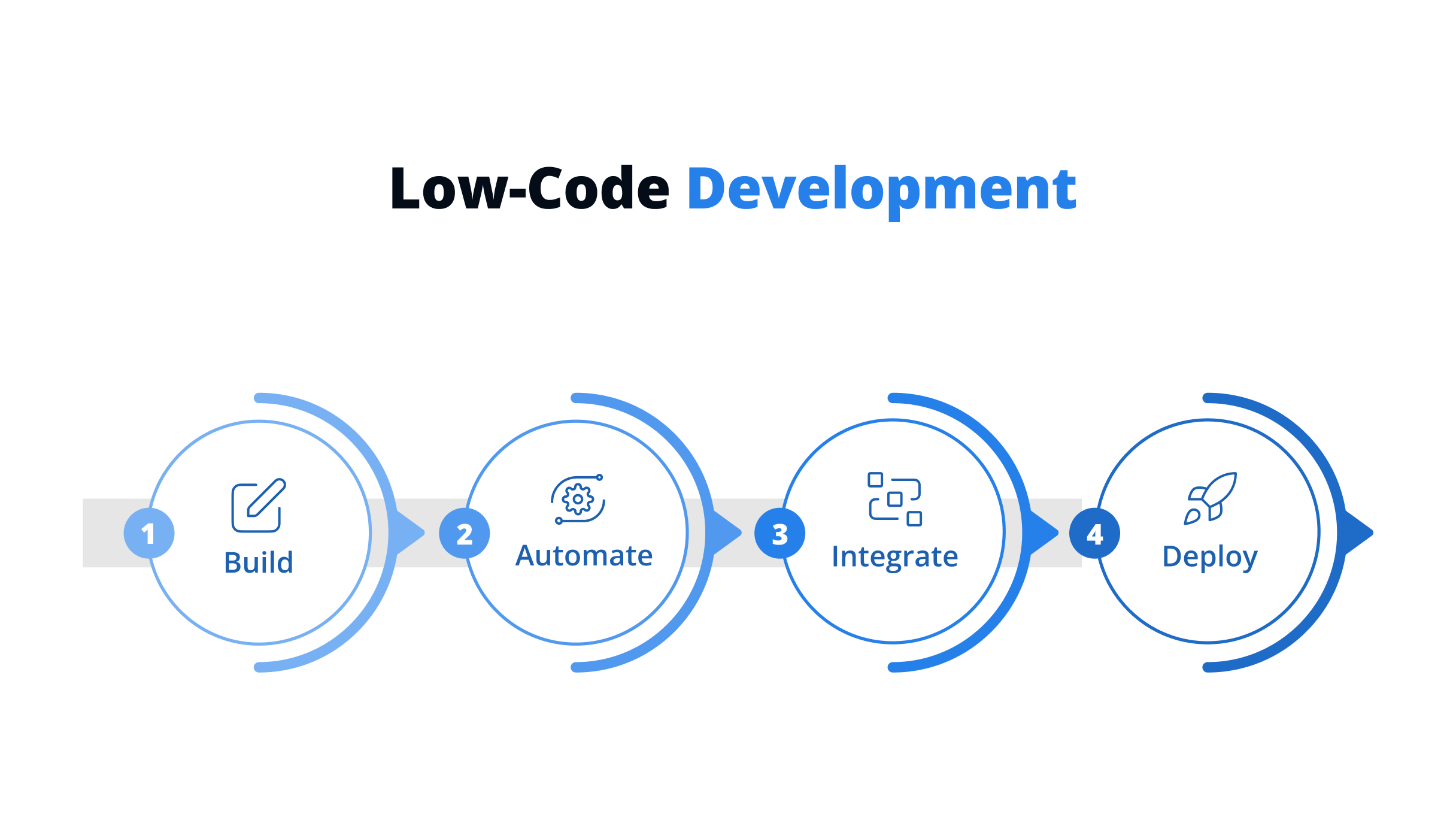
Low-code development is an approach to building software applications using visual design tools, drag-and-drop components, and pre-built workflows instead of writing large amounts of code.
Rather than starting every application from scratch, developers and business users can quickly create applications by assembling reusable components.
Low-code platforms are commonly used for:
- Workflow automation
- Business process management
- Approval workflows
- Employee portals
- Customer applications
- Internal business tools
- Digital forms
- Enterprise applications
Low-code simplifies development while maintaining the flexibility needed for enterprise applications.
What is traditional software development?
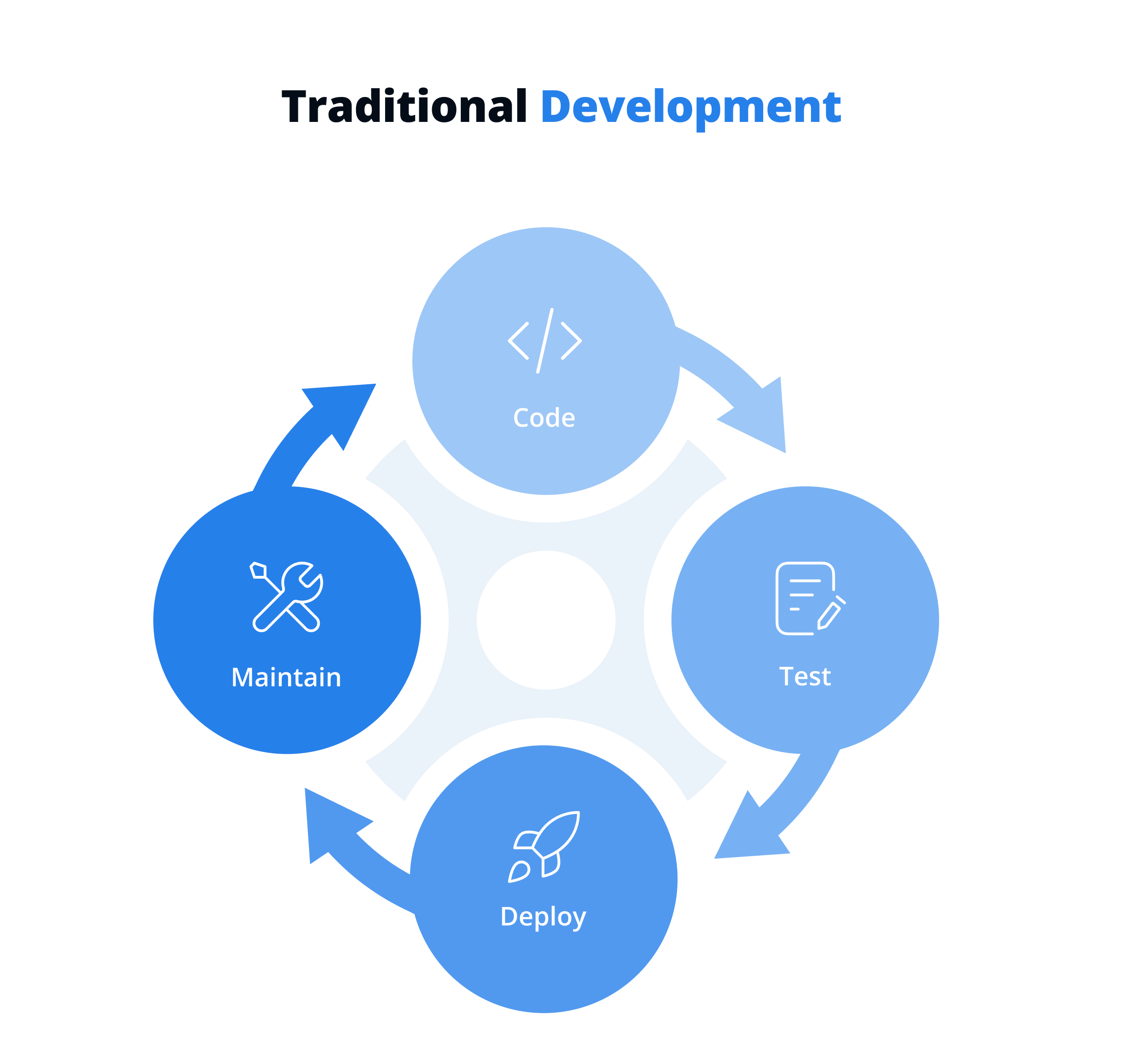
Traditional software development involves building applications primarily through programming languages and custom code.
Developers write, test, deploy, and maintain applications throughout the software development lifecycle.
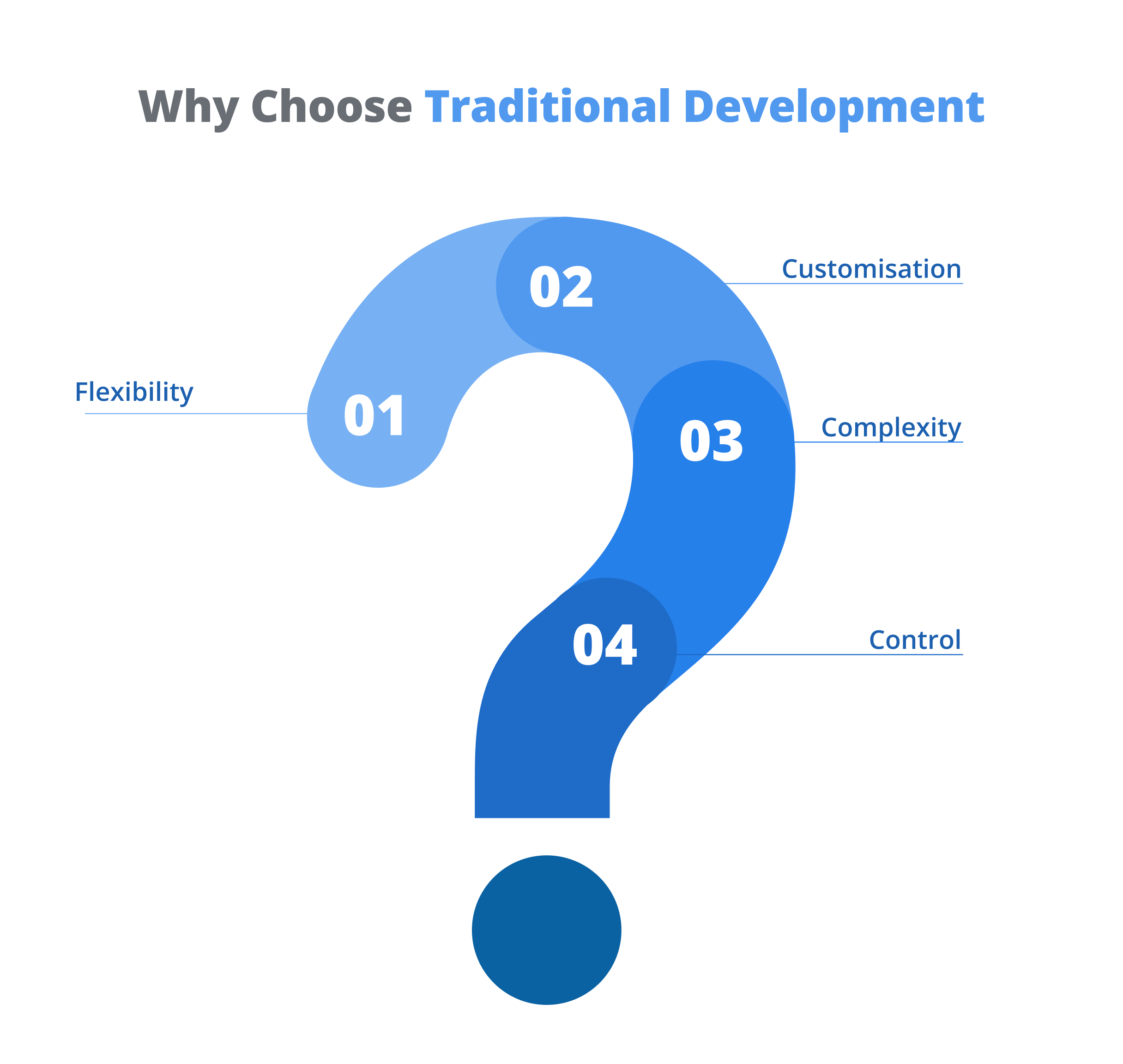
Traditional development is often preferred when businesses require:
- Highly customised applications
- Complex system architecture
- Industry-specific functionality
- Complete development control
- Extensive custom integrations
While it offers maximum flexibility, it also requires more development effort and longer delivery timelines.
Low-code vs traditional software development
Both approaches have their strengths. The right choice depends on your business objectives, project complexity, timeline, and available resources.
| Low-Code Development | Traditional Software Development |
|---|---|
| Visual application design | Code-first development |
| Faster application delivery | Longer development lifecycle |
| Minimal coding required | Extensive programming expertise |
| Easier workflow automation | Greater customisation flexibility |
| Rapid process improvements | Suitable for highly complex systems |
| Business user participation | Primarily developer-driven |
| Faster updates and enhancements | More time required for modifications |
For many organisations, low-code complements traditional development by accelerating projects that don't require extensive custom coding.
When should businesses choose low-code?
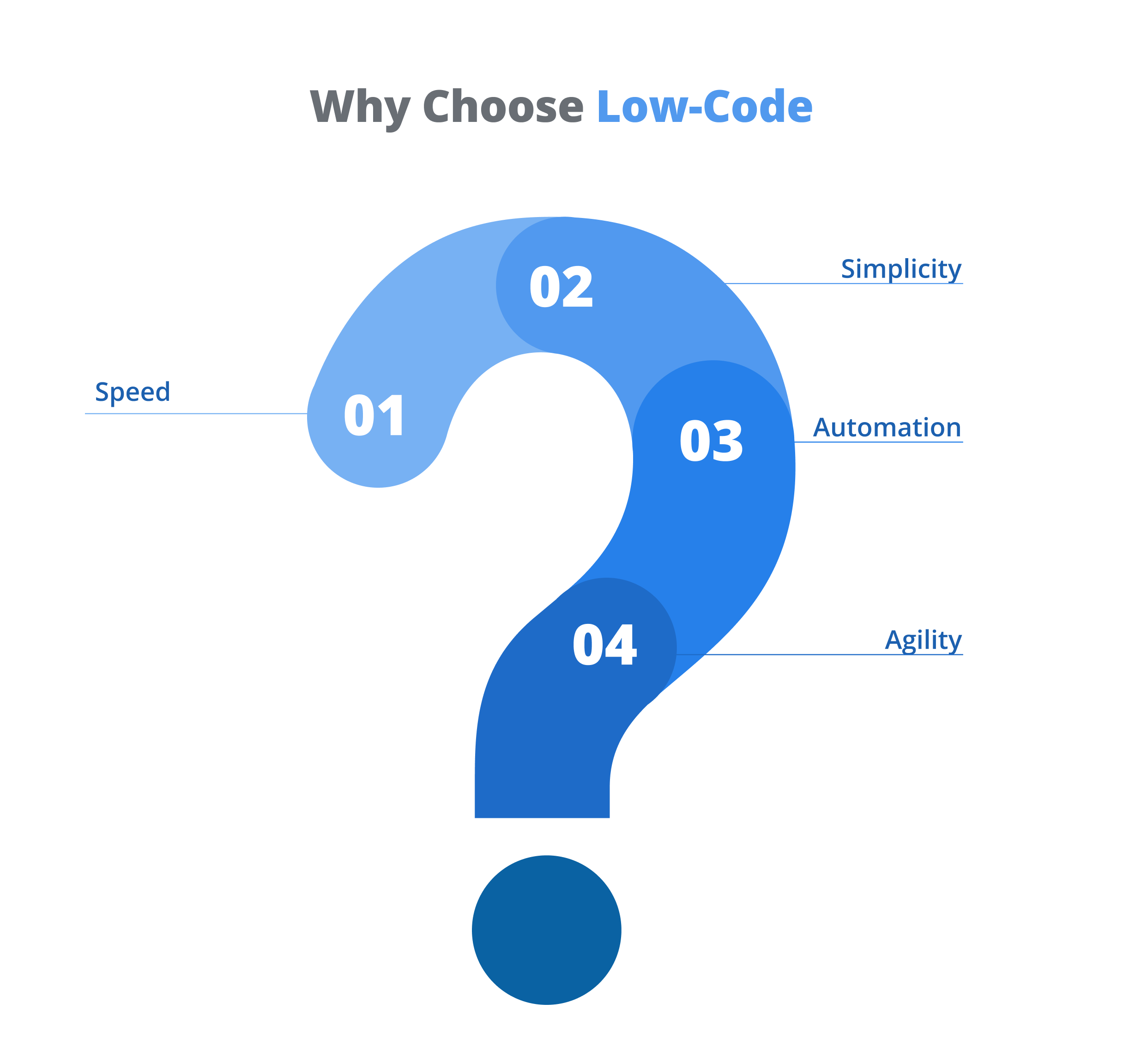
Low-code platforms are ideal when organisations need to deliver solutions quickly while improving business efficiency.
Automating business processes
Low-code simplifies repetitive workflows and approval processes.
Benefits
- Faster workflows
- Better efficiency
Building internal applications
Organisations can rapidly create employee portals, request forms, and operational tools.
Benefits
- Faster delivery
- Improved productivity
Improving collaboration
Visual development enables business and IT teams to work together more effectively.
Benefits
- Better communication
- Shared ownership
Accelerating digital transformation
Businesses can modernise operations without lengthy development projects.
Benefits
- Greater agility
- Faster innovation
When is traditional development the better choice?
Traditional software development remains valuable for projects requiring significant technical complexity.
Examples include:
- Large-scale enterprise platforms
- Industry-specific applications
- Highly customised software
- Advanced backend systems
- Complex product development
For these scenarios, full-code development offers greater flexibility and technical control.
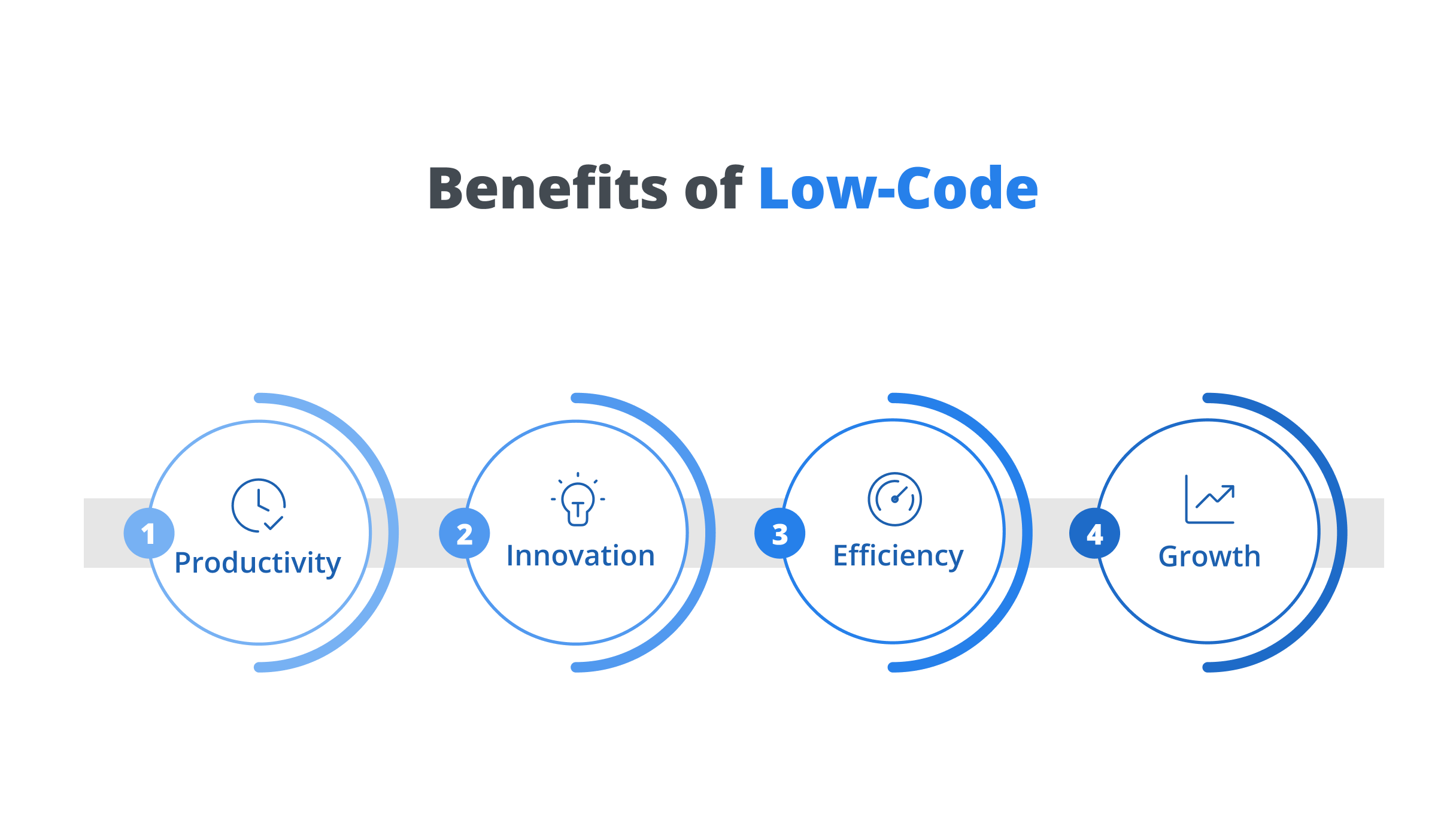
Benefits of low-code development
Low-code platforms provide significant advantages for organisations looking to modernise business operations.
Best practices for choosing the right development approach
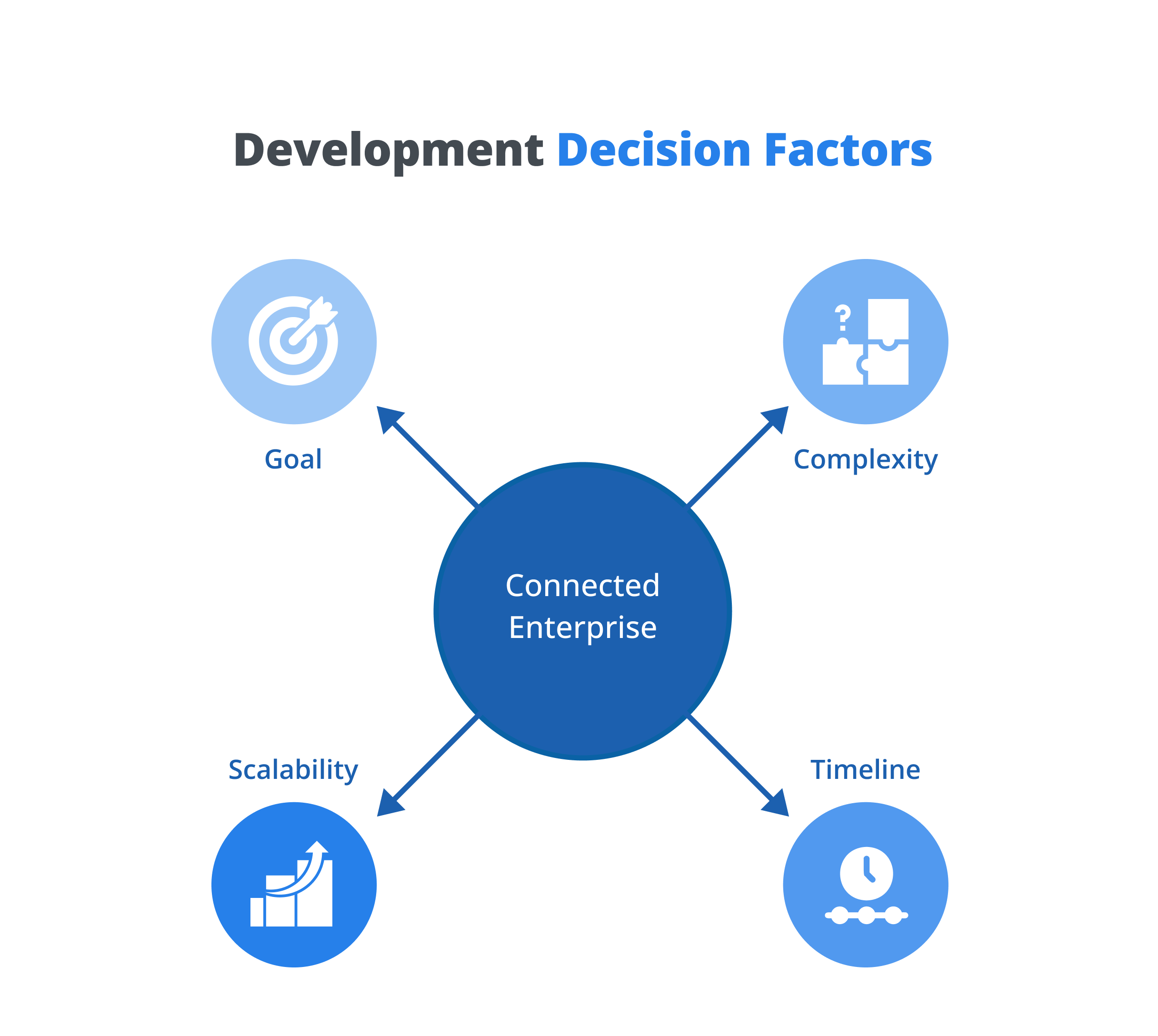
Every business has different software requirements. Consider these best practices before choosing a development approach:
- Define clear business objectives
- Assess project complexity
- Evaluate development timelines
- Consider future scalability
- Prioritise integration capabilities
- Balance speed with flexibility
In many cases, organisations benefit from using both low-code and traditional development together, depending on the application.
Why choose iProcess for low-code application development?
Building enterprise applications shouldn't always require lengthy coding projects. Businesses need a platform that enables them to automate workflows, digitise processes, and rapidly develop applications while maintaining enterprise-grade reliability.
iProcess by CATS4U is a low-code process orchestration and application development platform that helps organisations build intelligent business applications with minimal coding.
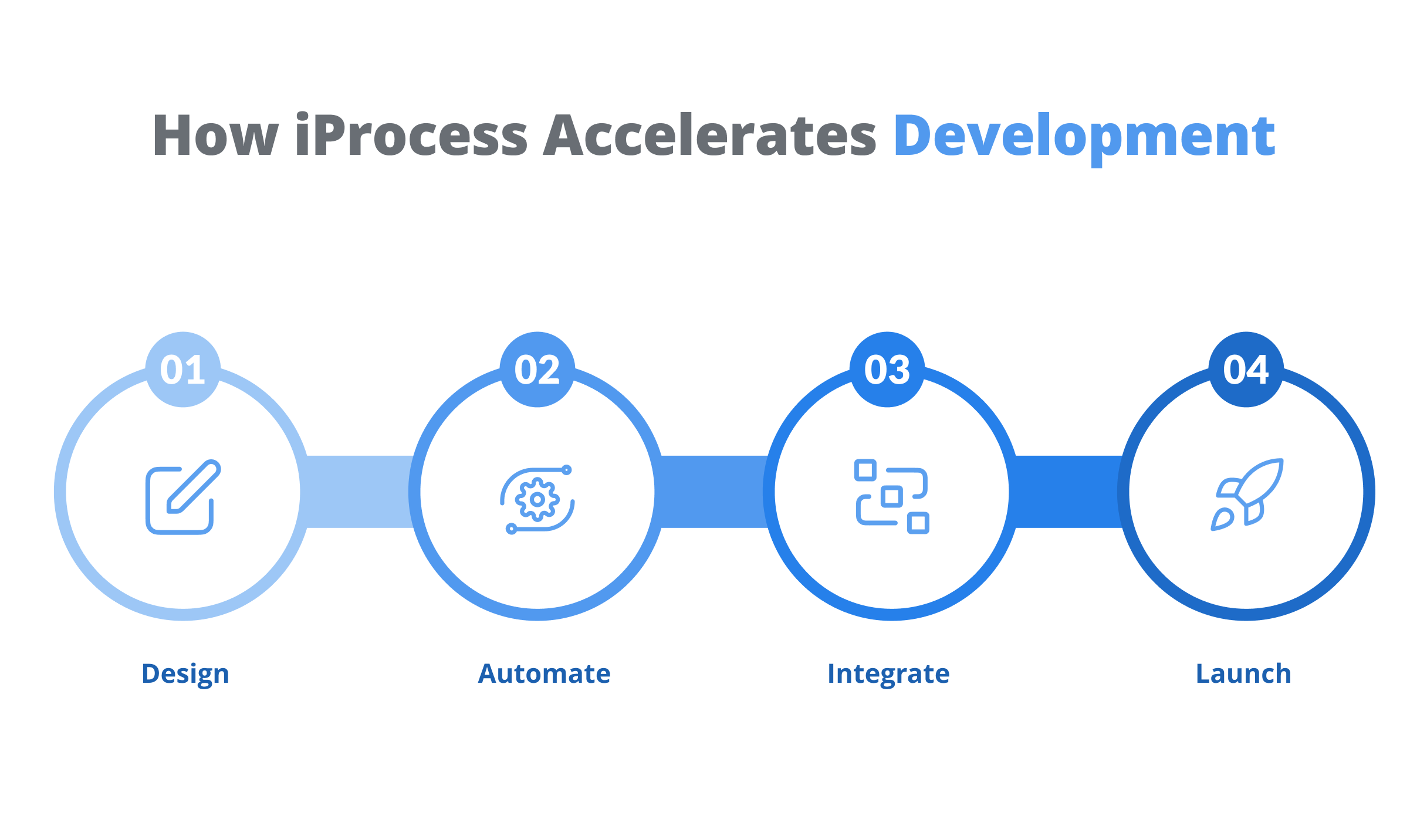
Using visual workflow design, automation, integrations, and business rules, iProcess enables organisations to streamline operations and accelerate digital transformation.
Key features of iProcess:
- Low-code application builder
- Visual workflow designer
- Process orchestration
- Business rules engine
- Workflow automation
- Enterprise integrations
- Digital forms
- Process dashboards
- Role-based access controls
- Native integration across the CATS4U suite
Whether you're automating approvals, building internal business applications, or digitising enterprise workflows, iProcess helps organisations deliver solutions faster while reducing development complexity.
Conclusion
Choosing between low-code and traditional software development isn't about deciding which approach is better; it's about selecting the right approach for the right business need.
Traditional development continues to play an important role in building highly customised and technically complex applications. At the same time, low-code platforms enable organisations to deliver business applications, automate workflows, and modernise operations much faster.
By combining speed, flexibility, and enterprise integration, low-code empowers businesses to respond quickly to changing requirements while reducing development effort.
With iProcess, organisations can build intelligent applications, automate business processes, and accelerate digital transformation through a powerful low-code platform designed for modern enterprises.
Frequently asked questions
Low-code development is a software development approach that uses visual design tools and pre-built components to create applications with minimal coding.
Low-code focuses on visual development and faster delivery, while traditional development relies on programming languages and custom coding to build applications.
Some key benefits include:
- Faster application development
- Workflow automation
- Reduced coding effort
- Easier maintenance
- Improved collaboration
- Faster innovation
Traditional development is best suited for highly customised applications, complex enterprise systems, and software requiring advanced technical functionality.
Yes. Many organisations use low-code for business process automation and internal applications while relying on traditional development for complex, custom-built solutions.
iProcess provides a low-code platform for building enterprise applications, automating workflows, orchestrating business processes, creating digital forms, and integrating with enterprise systems, all through an intuitive visual interface.
