


The modern workplace is no longer limited to a shared office.
Employees may work from home, visit an office, work from different branches, or move between locations depending on their responsibilities. This flexibility gives businesses access to a more adaptable workforce while giving employees greater freedom in how they work.
But flexibility also brings new challenges.
When teams are distributed across different locations, maintaining smooth collaboration, reliable technology, clear communication, and a consistent employee experience can become more difficult.
A slow device can interrupt someone’s work. A disconnected application can delay a process. Poor communication can create confusion between teams. At the same time, managers may find it difficult to understand workplace trends when information is spread across different tools and systems.
The answer isn’t to make remote and hybrid teams work like traditional office teams.
Instead, businesses need to create a digital workplace that supports employees wherever they work.
In this blog, we’ll explore the common productivity challenges faced by remote and hybrid teams, practical ways to address them, and how ProWatch can help organisations build a more connected and productive workplace.
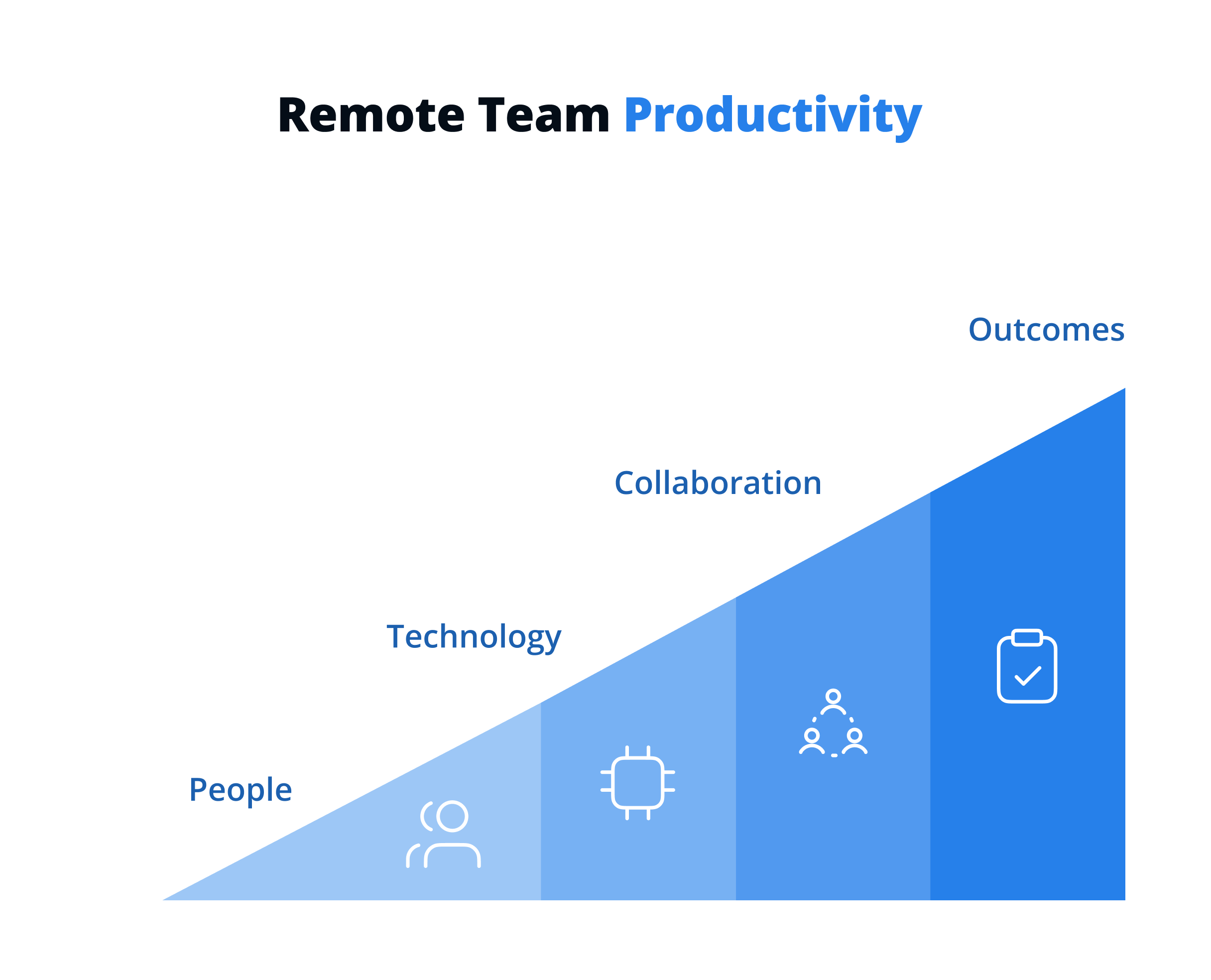
Remote and hybrid team productivity
Remote and hybrid team productivity refers to how effectively employees collaborate, use technology, complete meaningful work, and contribute to business objectives when working across different locations.
Productivity in a distributed workplace depends on more than individual effort.
It is influenced by:
- Technology
- Communication
- Collaboration
- Workflows
- Employee experience
- Business processes
A productive remote or hybrid workplace gives employees the right tools and environment to perform effectively, regardless of where they work.
Why can remote and hybrid productivity be challenging?
In a traditional office, employees often work within the same physical environment and can resolve many issues through direct interaction.
Distributed teams work differently.
They depend heavily on digital tools for communication, collaboration, applications, and daily business activities.
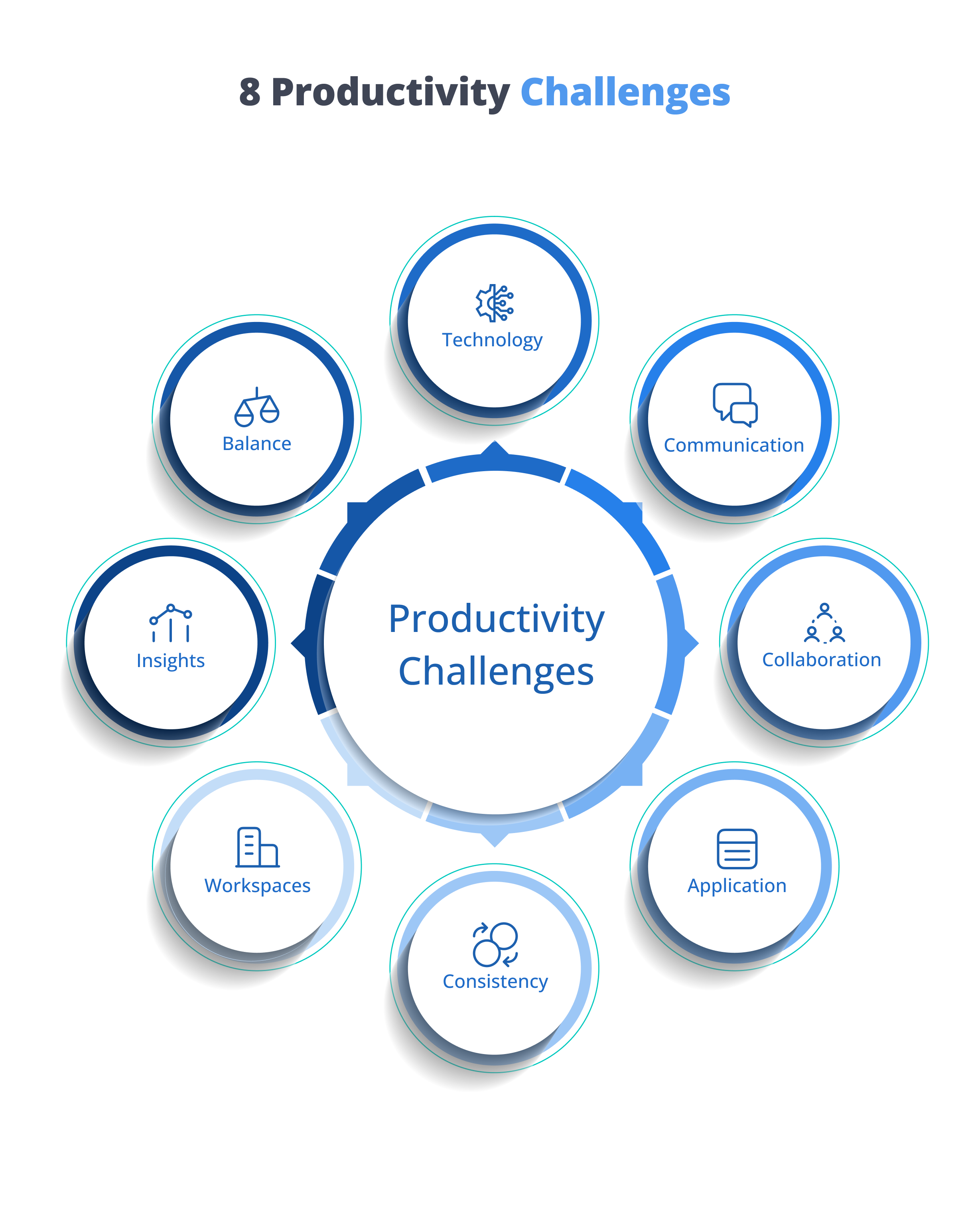
Common challenges include:
- Technology disruptions
- Communication gaps
- Collaboration difficulties
- Unclear workflows
- Different work environments
- Limited workplace insights
These challenges don’t mean remote or hybrid work is ineffective. They highlight the need for better digital workplace support.
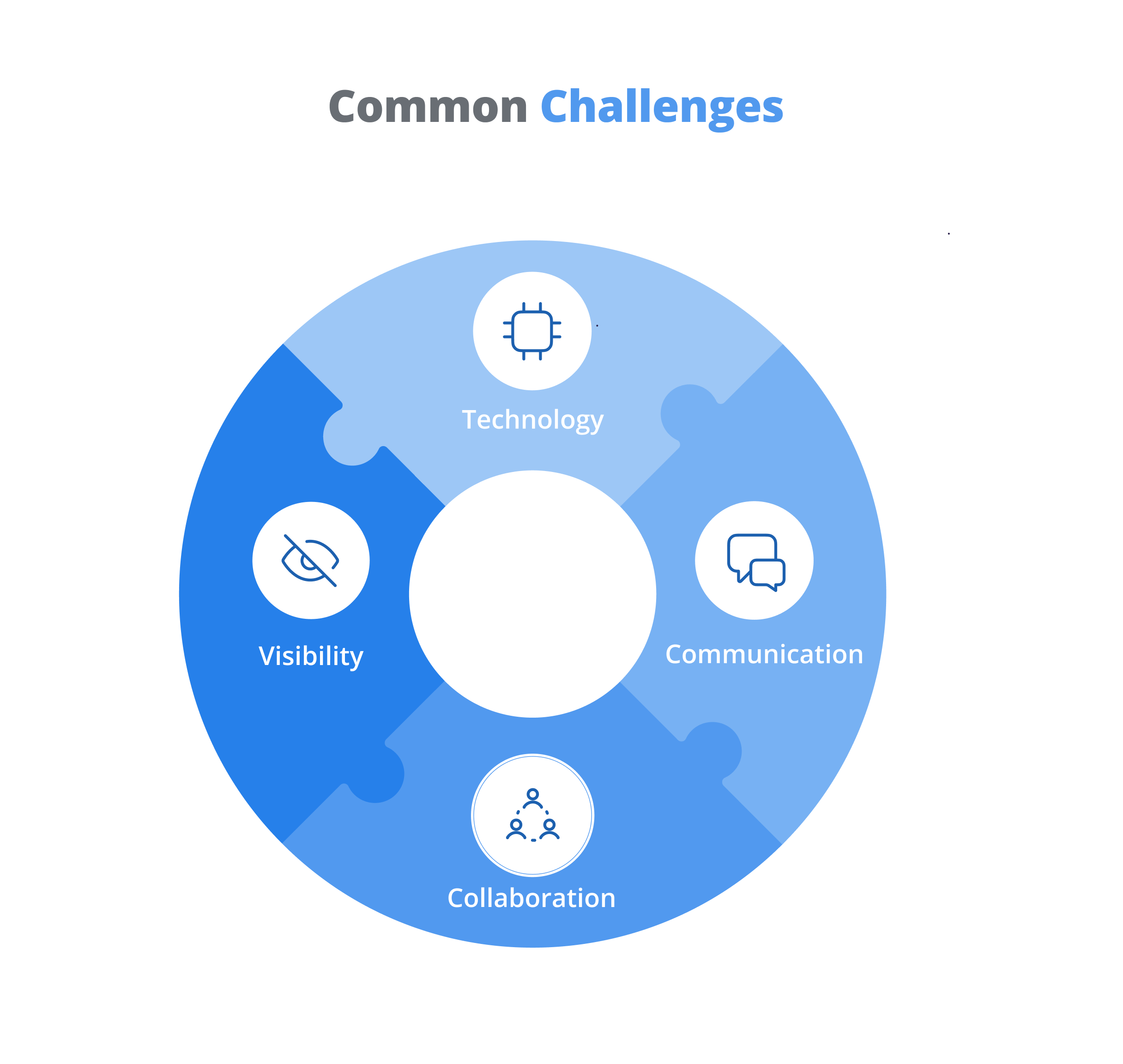
8 common productivity challenges in remote and hybrid teams
Technology disruptions
Employees depend on devices, applications, networks, and collaboration tools to complete their work. When these resources don’t perform as expected, even simple tasks can become difficult.
How to address it
- Improve device health visibility.
- Identify recurring technology issues.
- Provide timely IT support.
- Maintain reliable workplace tools.
Communication gaps
Remote employees may not have the same opportunities for quick conversations as office-based teams. Important information can become fragmented across emails, chats, meetings, and collaboration platforms.
How to address it
- Establish clear communication channels.
- Define when to use different collaboration tools.
- Keep important information accessible.
- Encourage regular team communication.
Collaboration difficulties
Working across locations can make collaboration more challenging, particularly when teams depend on shared documents, applications, and digital workflows.
How to address it
- Standardise collaboration tools.
- Improve access to shared resources.
- Connect business applications.
- Simplify digital workflows.
Unreliable devices or applications
Employees can lose valuable work time when their devices are slow or business applications don’t perform properly. The issue may not always be immediately visible to the business.
How to address it
- Maintain device health visibility.
- Identify application performance trends.
- Provide timely technical assistance.
- Replace or improve resources when needed.
Difficulty maintaining consistent work experiences
Employees working from different locations may have different access to devices, applications, networks, or workplace resources. This can create an inconsistent digital experience.
How to address it
- Standardise workplace technology.
- Provide consistent access.
- Understand employee technology needs.
- Continuously improve the digital workplace.
Managing different work environments
Remote and hybrid employees may work from different locations and environments. Businesses need to support these different work arrangements without creating unnecessary complexity.
How to address it
- Support flexible work models.
- Provide suitable digital resources.
- Design processes for distributed teams.
- Use workplace insights for better planning.
Limited understanding of workplace trends
Managers need meaningful information to understand how workplace technology and processes are performing. Without useful insights, it can be difficult to identify areas where employees may need better support.
How to address it
- Use workforce analytics.
- Review workplace trends.
- Identify recurring challenges.
- Use insights to improve employee experience.
Difficulty maintaining work-life balance
Remote work can sometimes blur the boundaries between professional and personal time. Employees may feel pressure to remain available beyond normal working hours, which can affect their overall work experience.
How to address it
- Encourage healthy work practices.
- Respect defined working hours.
- Set clear communication expectations.
- Focus on outcomes rather than unnecessary activity.
Remote and hybrid work: traditional vs modern approach
| Traditional Approach | Modern Approach |
|---|---|
| Office-focused processes | Distributed-work processes |
| Physical workplace visibility | Digital workplace insights |
| Manual reporting | Automated analytics |
| Separate workplace tools | Connected digital ecosystem |
| Reactive technology support | Proactive workplace improvements |
| Location-focused management | Employee experience-focused management |
| Limited data visibility | Data-driven workforce insights |
Modern workforce management is less about where employees work and more about whether they have the technology, support, and environment needed to perform effectively.
How businesses can improve remote and hybrid productivity
Technology alone cannot solve every productivity challenge. Organisations should combine technology with clear processes and employee-focused practices.
Create a strong digital workplace
Give employees reliable access to the applications, devices, and resources required for their roles.
Standardise collaboration
Use consistent collaboration tools and processes across teams.
Improve technology experience
Understand recurring device and application issues and address them before they become larger workplace disruptions.
Use workforce insights
Use meaningful data to understand workplace trends and identify opportunities for improvement.
Focus on outcomes
Productivity should be connected to meaningful business outcomes rather than simply measuring activity.
Support employees
Create a workplace where employees have the tools, resources, and support they need to work effectively.
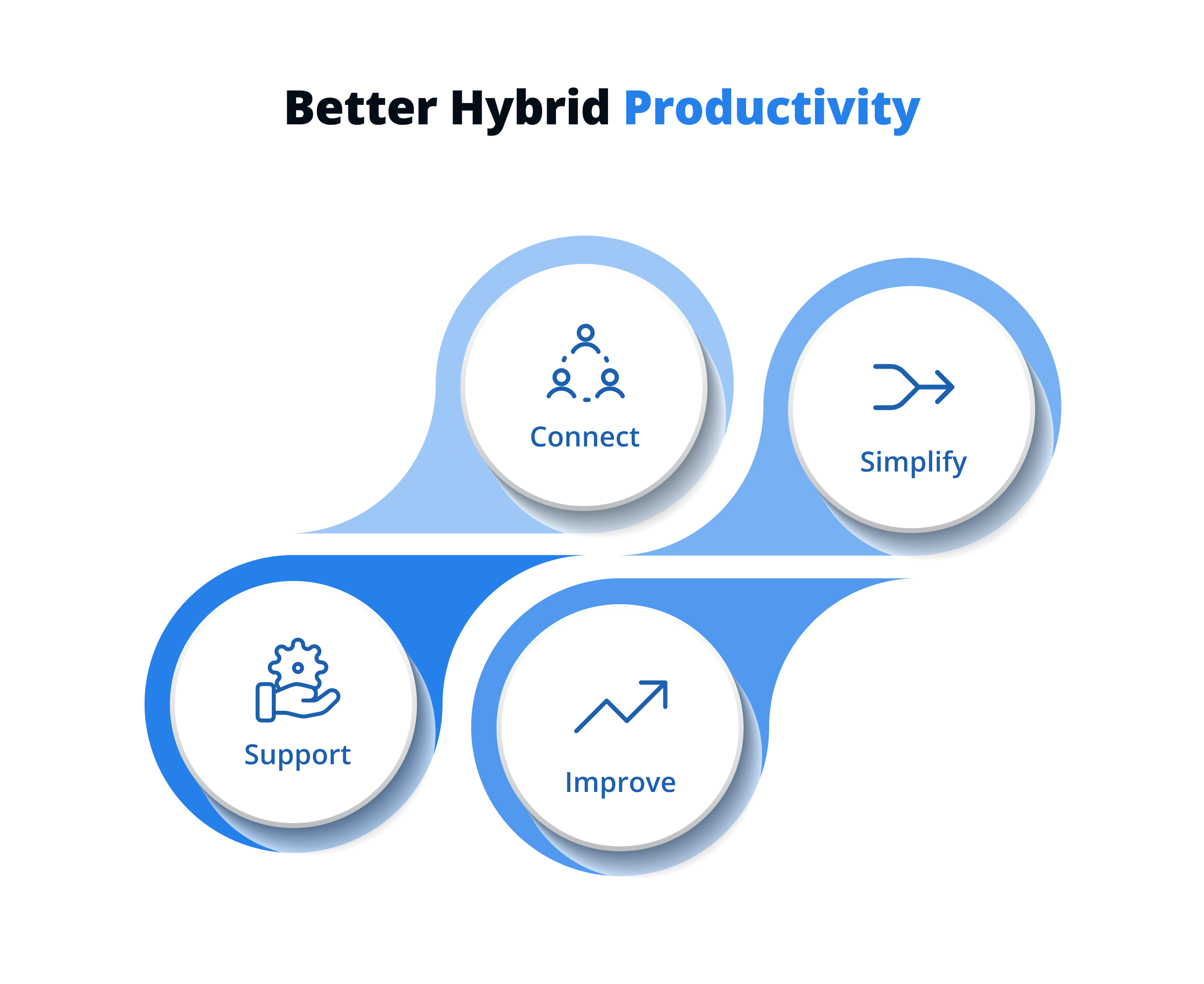
Why choose ProWatch for remote and hybrid workforce productivity?
Supporting distributed teams requires more than communication and collaboration tools. Organisations need a clear understanding of the digital workplace experience and the factors that influence workforce productivity.
ProWatch by CATS4U is a workforce productivity and digital workplace intelligence platform designed to help organisations create more connected, efficient, and productive work environments.
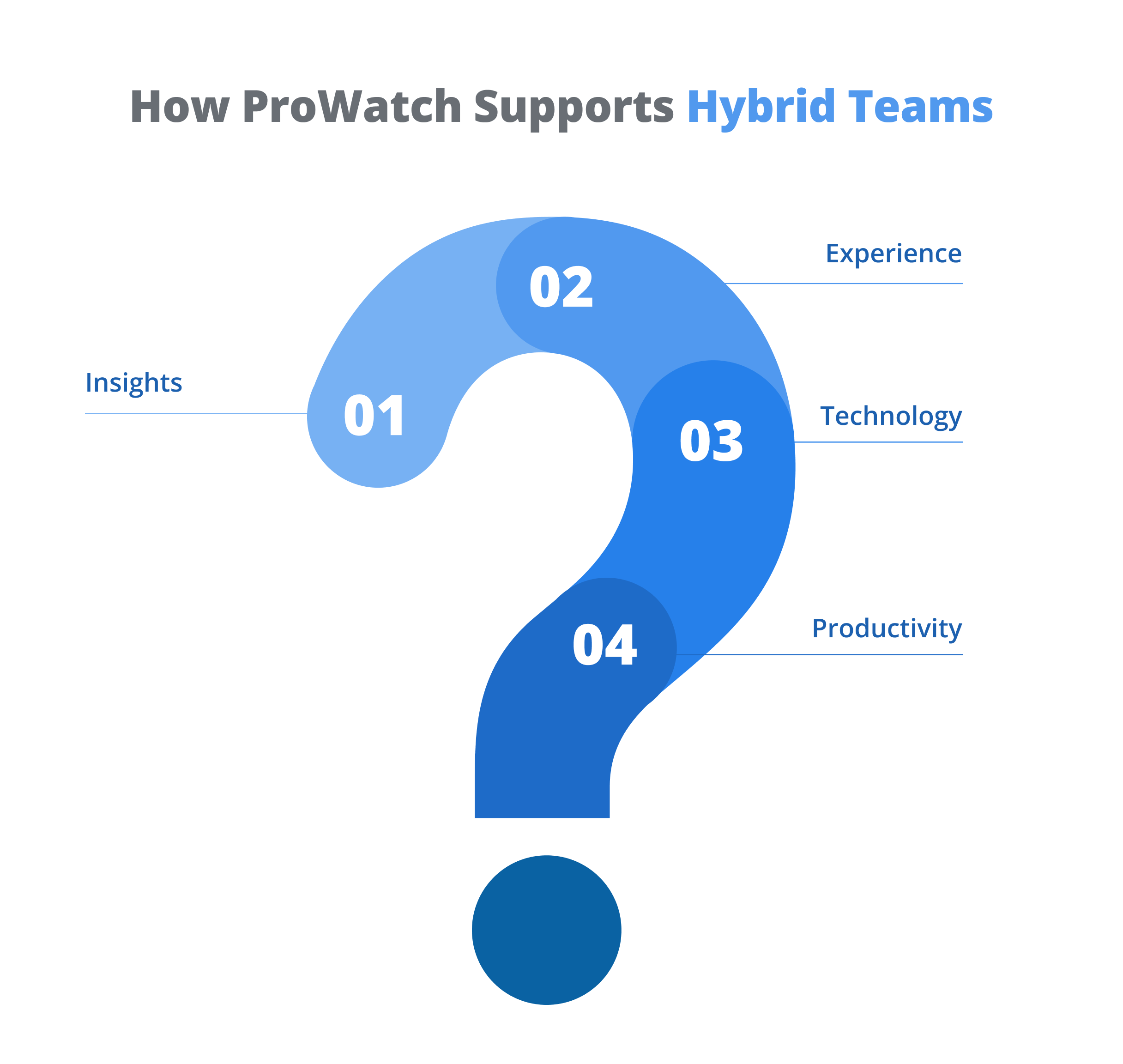
ProWatch brings together workforce insights, device health information, application usage insights, employee experience data, and workplace analytics to help businesses make informed decisions.
Instead of relying on assumptions, organisations can use meaningful insights to identify opportunities to improve technology, processes, and employee experiences.
Key features of ProWatch:
- Workforce productivity insights
- Digital workplace analytics
- Device health visibility
- Application usage insights
- Employee experience dashboards
- Workforce trends and reporting
- Location intelligence
- Centralised analytics
- Automated reporting
- Native integration across the CATS4U suite
Whether employees work remotely, from the office, or through a hybrid model, ProWatch helps organisations create a more consistent digital workplace and support better workforce productivity.
Building a better remote and hybrid work experience
The future of work isn’t simply about choosing between remote and office-based work.
It’s about creating a workplace where employees can perform effectively wherever they are.
That requires businesses to think about:
- How employees access technology
- How teams collaborate
- How business processes work
- How technology performs
- How employees experience the digital workplace
When these areas work together, organisations can create a more flexible and productive work environment.
Conclusion
Remote and hybrid work have changed how businesses think about productivity.
The challenges are no longer limited to office processes. Organisations must consider technology, communication, collaboration, employee experience, and digital workplace efficiency across different work environments.
The most effective approach is not to make distributed employees fit into traditional workplace models. Instead, businesses should build digital environments that support the way modern teams actually work.
With ProWatch, organisations can gain meaningful workforce insights, improve digital workplace experiences, understand technology trends, and support employees with better tools and resources.
By creating a connected and employee-focused digital workplace, businesses can help remote and hybrid teams work more effectively while building a flexible foundation for the future of work.
Frequently asked questions
Common challenges include:
- Technology disruptions
- Communication gaps
- Collaboration difficulties
- Application issues
- Inconsistent digital experiences
- Different work environments
- Limited workplace insights
- Work-life balance concerns
Businesses can improve remote productivity by providing reliable technology, standardising collaboration tools, simplifying workflows, using workforce insights, and supporting employees with the right digital resources.
Hybrid work allows employees to work across office and remote environments, requiring businesses to support collaboration, technology, communication, and employee experiences across different locations.
A positive digital employee experience helps employees access the tools, applications, information, and support they need to perform their work effectively.
Businesses can focus on meaningful outcomes, workplace efficiency, technology experience, collaboration, and employee support rather than relying solely on activity-based measures.
ProWatch provides workforce productivity insights, digital workplace analytics, device health visibility, application usage insights, and employee experience dashboards to help organisations improve workplace efficiency and create better experiences for distributed teams.
